
The Context Behind Michigan’s Marijuana Tax
Michigan legalized recreational cannabis in 2018, instituting a 10% excise tax on retail sales in addition to the state’s 6% sales tax. However, a separate 24% excise tax on marijuana products was later implemented, significantly increasing the cost burden on both consumers and licensed businesses. This layered tax structure has been a point of contention, with critics arguing it discourages consumers from participating in the regulated market and fuels the illicit cannabis trade.
John James’ Call for Repeal
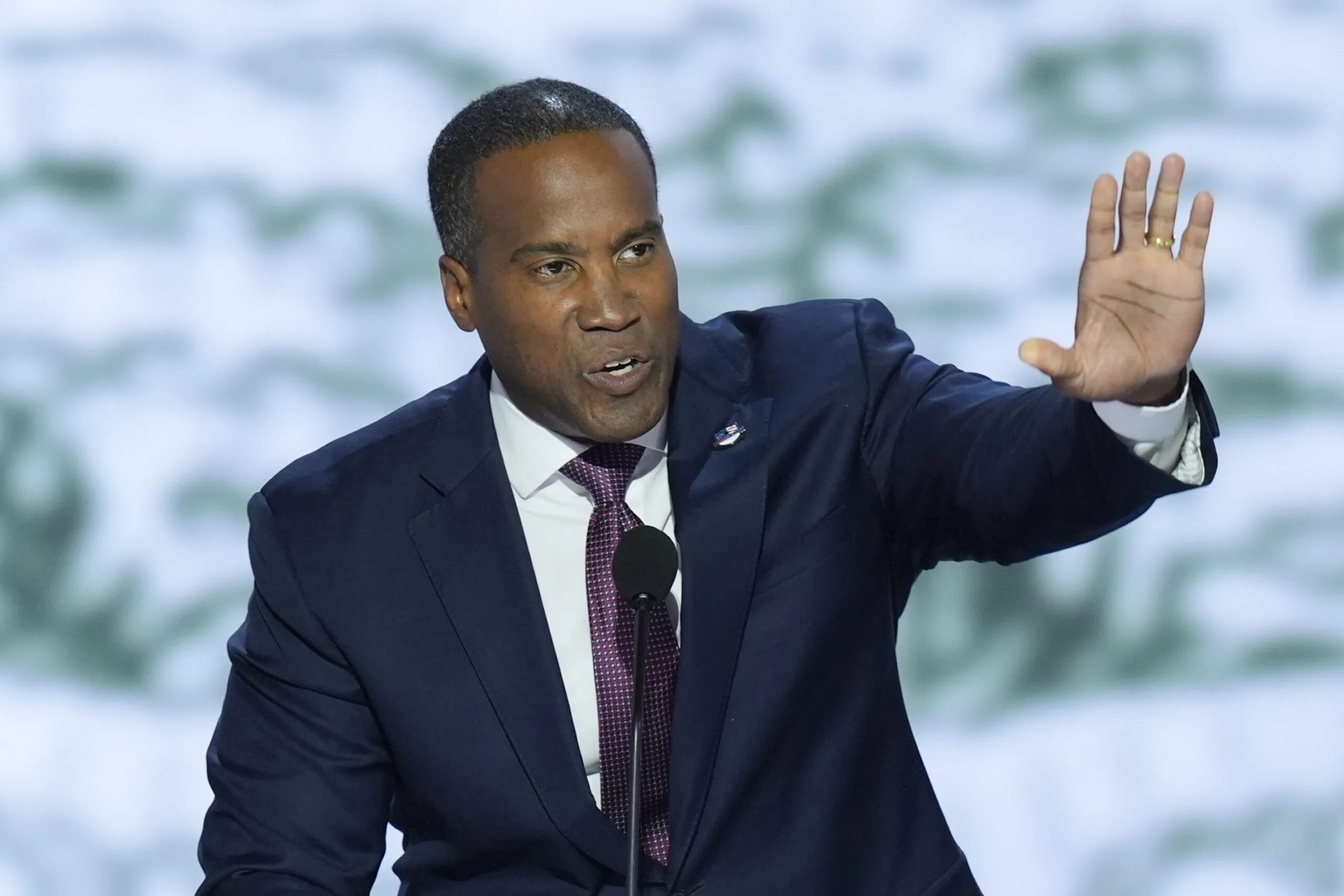
U.S. Senator John James recently publicly advocated for the repeal of Michigan’s 24% marijuana excise tax. He contends that the tax is excessively punitive, harming small businesses and limiting market growth. According to James, the high tax rate inflates prices, making legal cannabis less competitive compared to black-market alternatives. His position aligns with voices in the industry calling for more balanced taxation to foster economic opportunity within Michigan’s cannabis economy.
Who Is Affected and What Remains Uncertain
The proposed repeal would primarily benefit cannabis producers, retailers, and consumers by lowering prices and potentially expanding legal sales volume. Small and medium-sized cannabis operators, who often struggle with thin margins, could see relief from the heavy tax burden. Consumers might experience more affordable options within the regulated framework, reducing reliance on unregulated sources.
However, uncertainties remain about the political feasibility of repeal. Lawmakers must consider state revenue impacts, as marijuana taxes contribute significantly to public funds supporting education and infrastructure. Balancing fiscal needs with market health will be a central challenge. Additionally, how the repeal would affect local municipalities that impose their own cannabis taxes is not yet clear.
Potential Implications for Michigan’s Cannabis Industry
If the 24% excise tax is repealed, Michigan could become a more attractive market for cannabis investment and innovation. Lower taxes may encourage more businesses to enter the market and increase consumer participation in the legal system, potentially reducing illegal sales. Conversely, the state will need to find ways to offset lost tax revenues without undermining public priorities.
Senator James’ push reflects a broader national conversation about the best ways to tax cannabis—balancing government revenue, market growth, and consumer access. Michigan’s decision could set a precedent for other states grappling with similar taxation challenges in the evolving cannabis landscape.
For more details, see the original report at atr.org.
Source: Original source
Related Articles
This article is for informational purposes only and should not be considered medical, legal, or regulatory advice. Cannabis and hemp laws vary by location and may change over time.
The post Michigan’s 24% Marijuana Tax Faces Push for Repeal Amid Economic Concerns appeared first on Weed Deep Dive.
Originally published on Weed Deep Dive.